
Building a Metal Workshop That Meets OSHA Safety Standards | American Steel, Inc.

Whether you’re setting up a professional fabrication shop or a serious home welding space, designing your metal workshop around OSHA safety standards from the start is far smarter — and far cheaper — than retrofitting one later. The good news is that a well-spec’d steel building gives you a significant head start.
When you’re ready to see exactly what’s possible, visit the American Steel Carports, Inc. Build & Price tool to explore layout and customization options, or contact us directly to talk through your workshop design.
Why Metal Buildings Are a Natural Fit for OSHA Compliance
Steel is inherently non-combustible, which immediately satisfies one of OSHA’s core fire prevention requirements under 29 CFR 1910.252. Wood-framed workshops create friction between the structure itself and the hot work happening inside it — sparks land on wood, and problems follow. With a steel shell, the building works with your safety plan rather than against it.
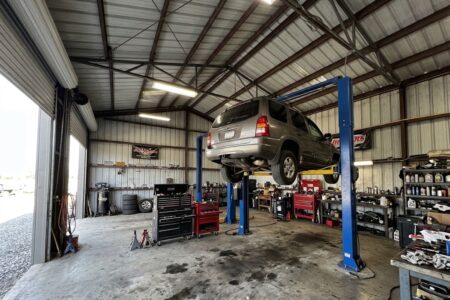
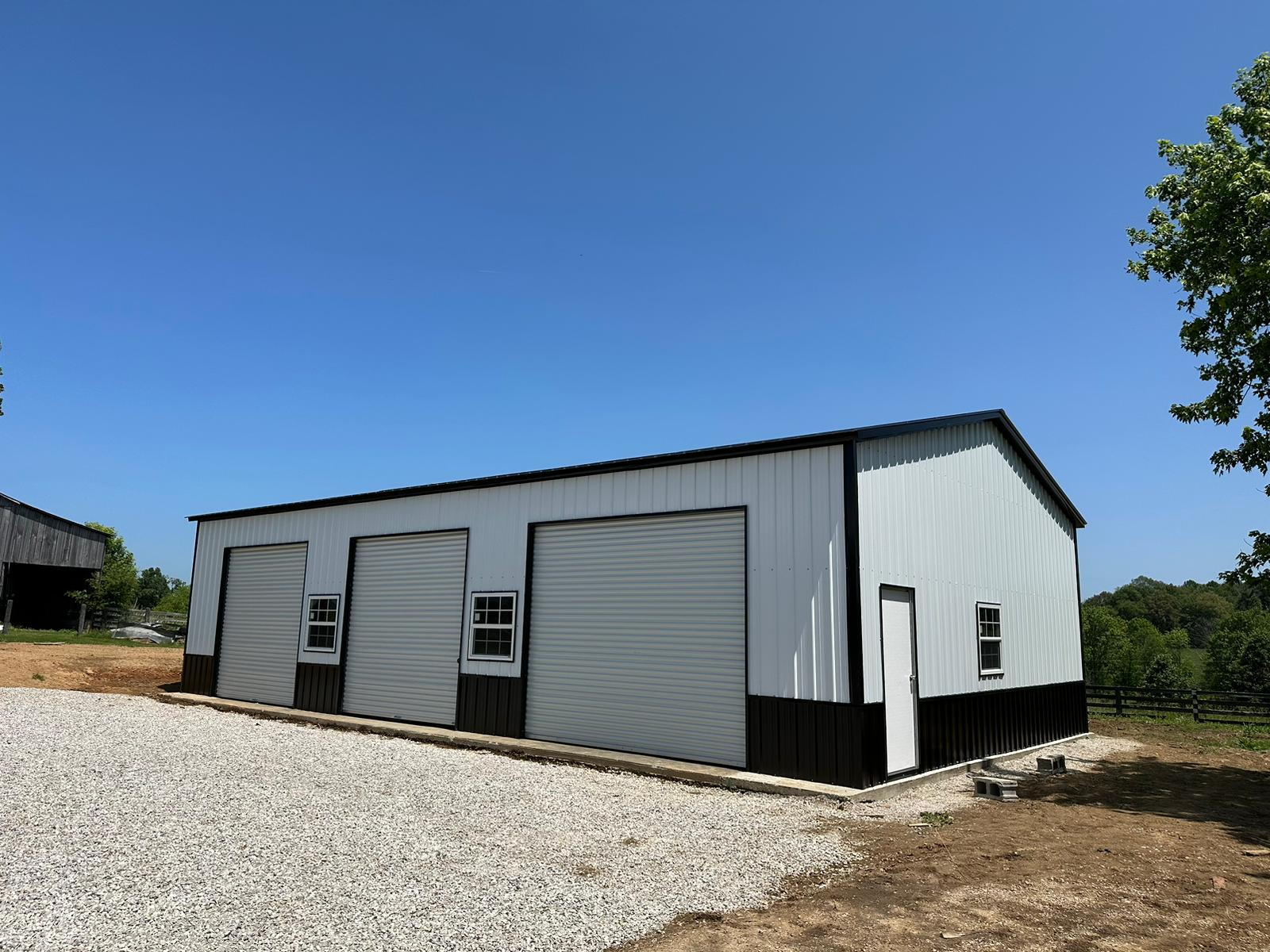
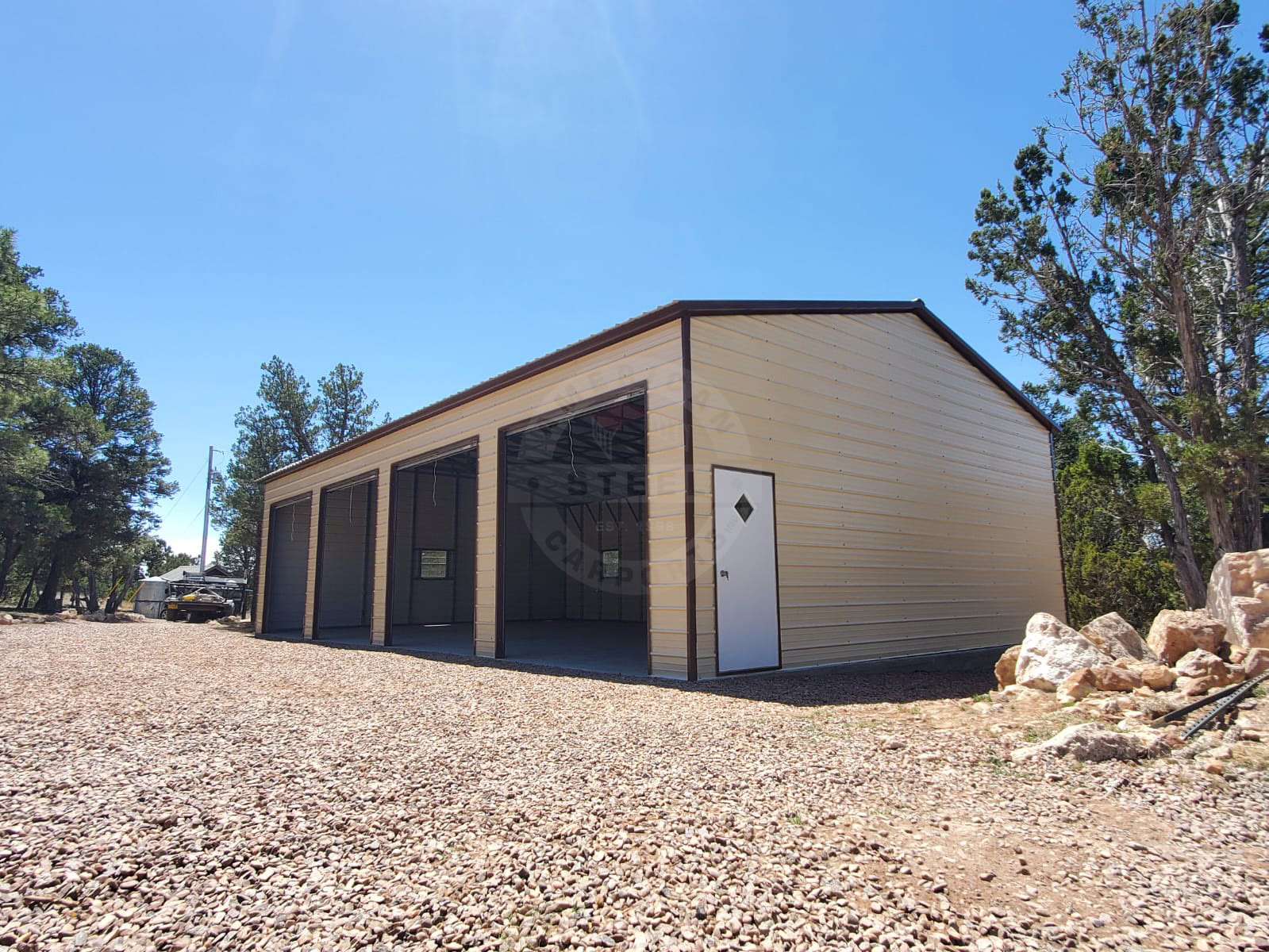
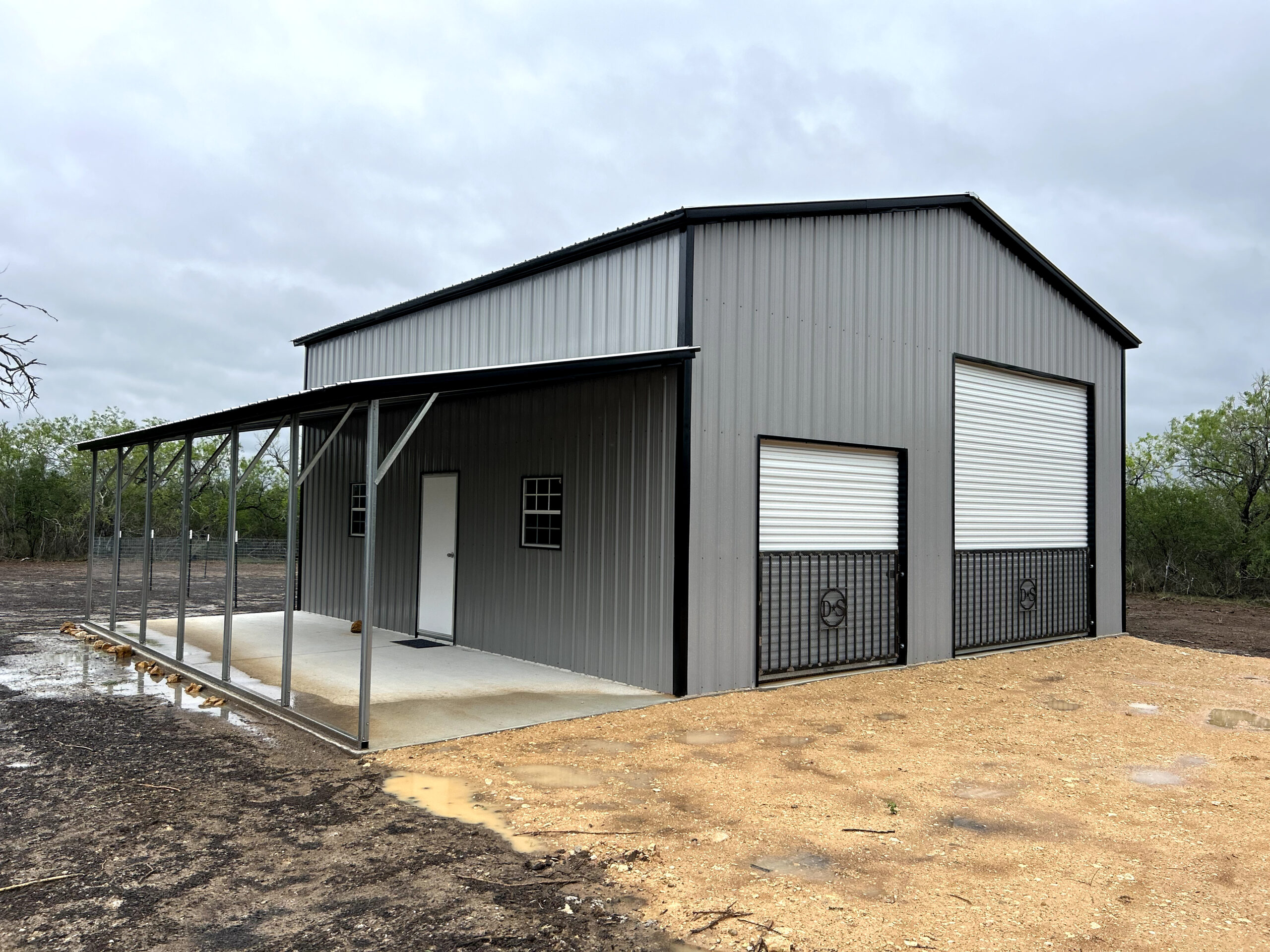
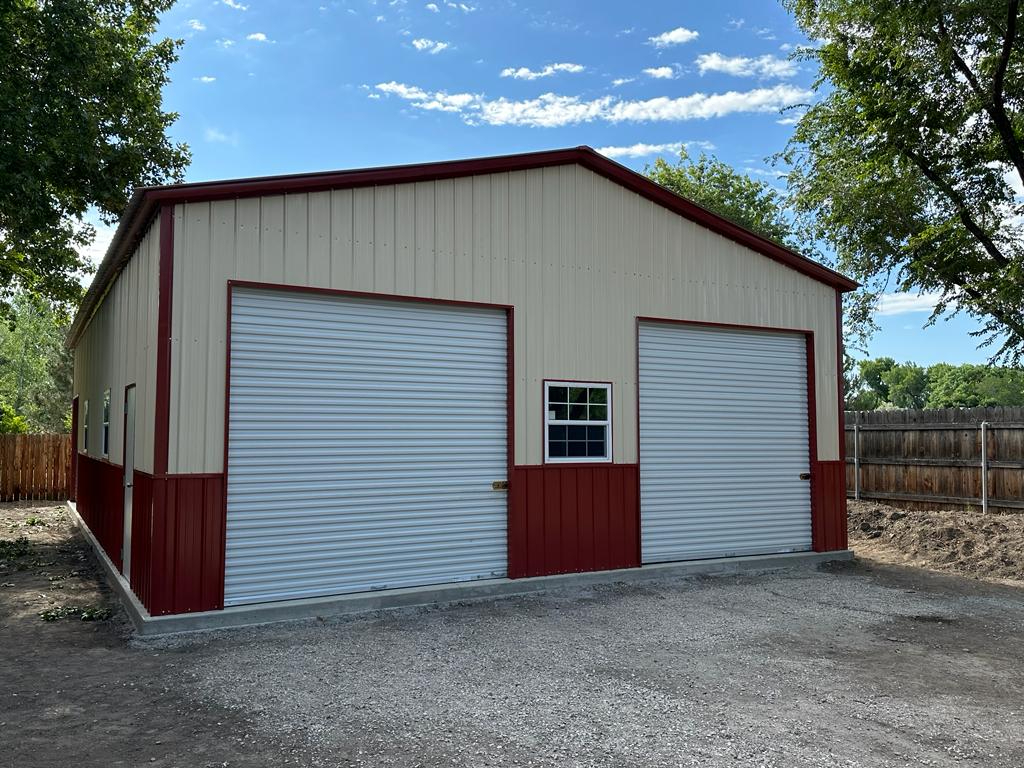
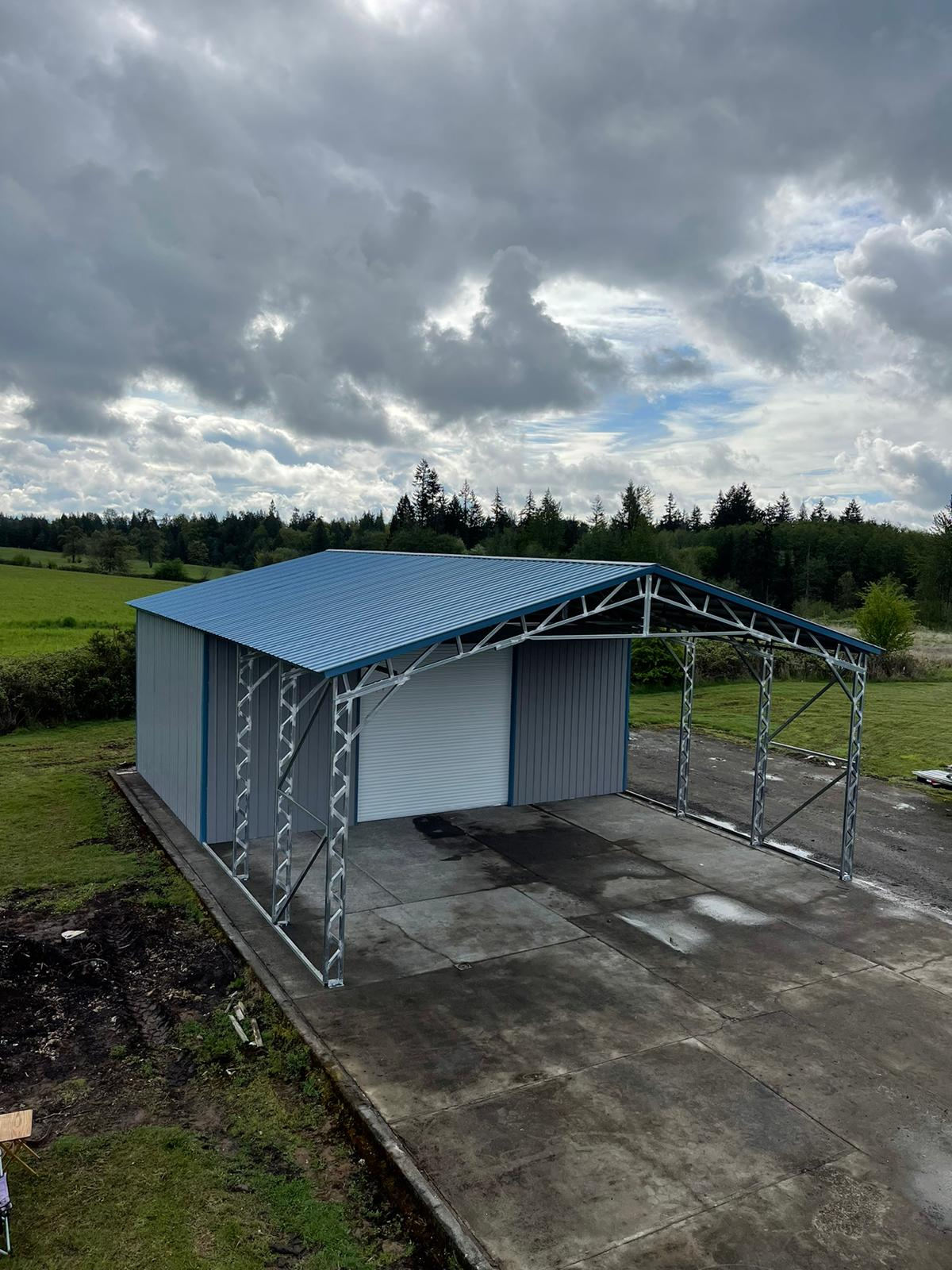
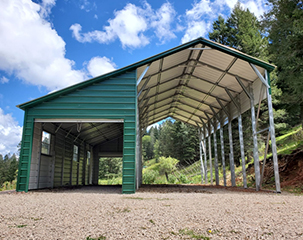
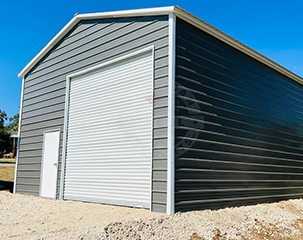
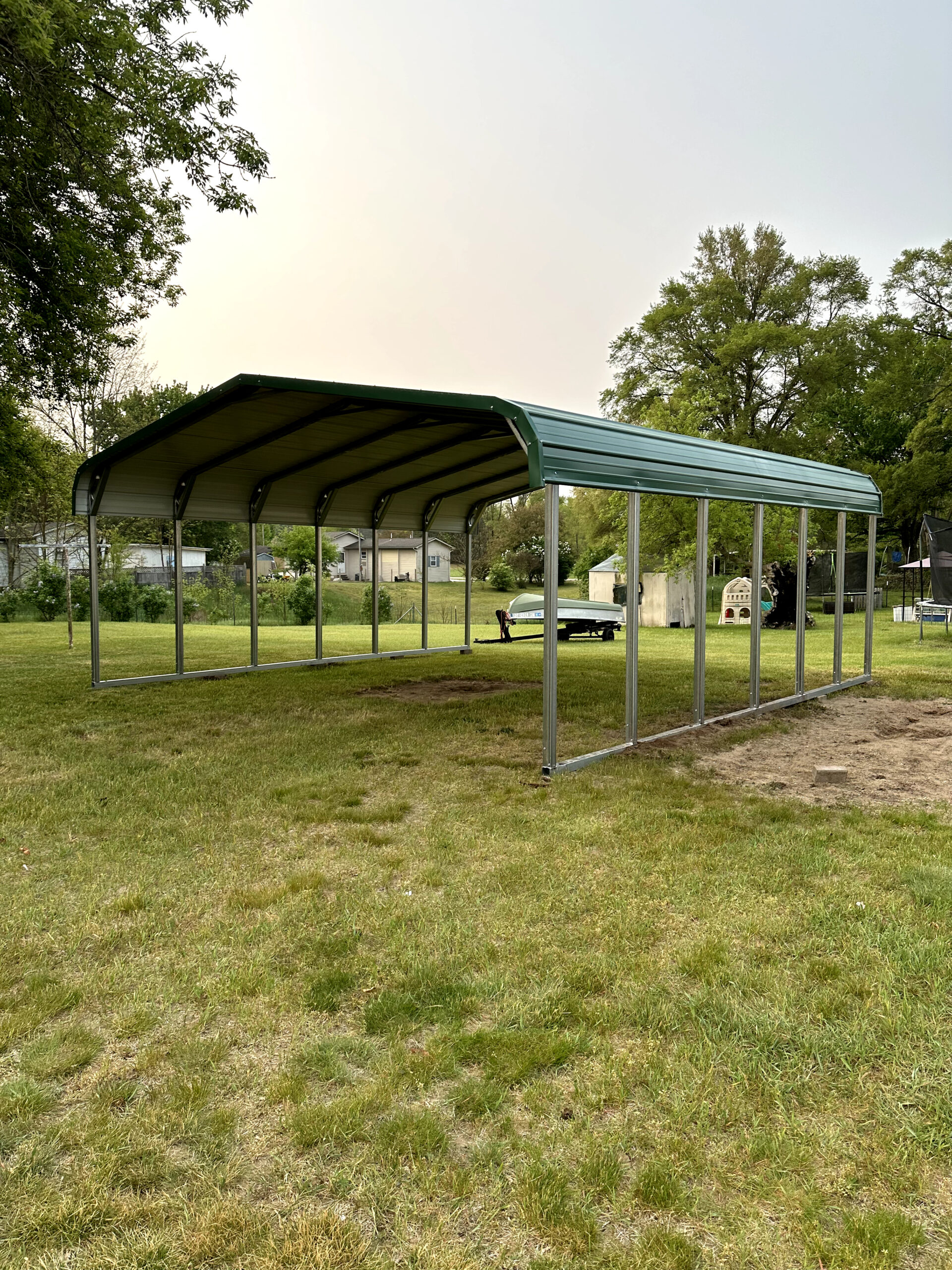
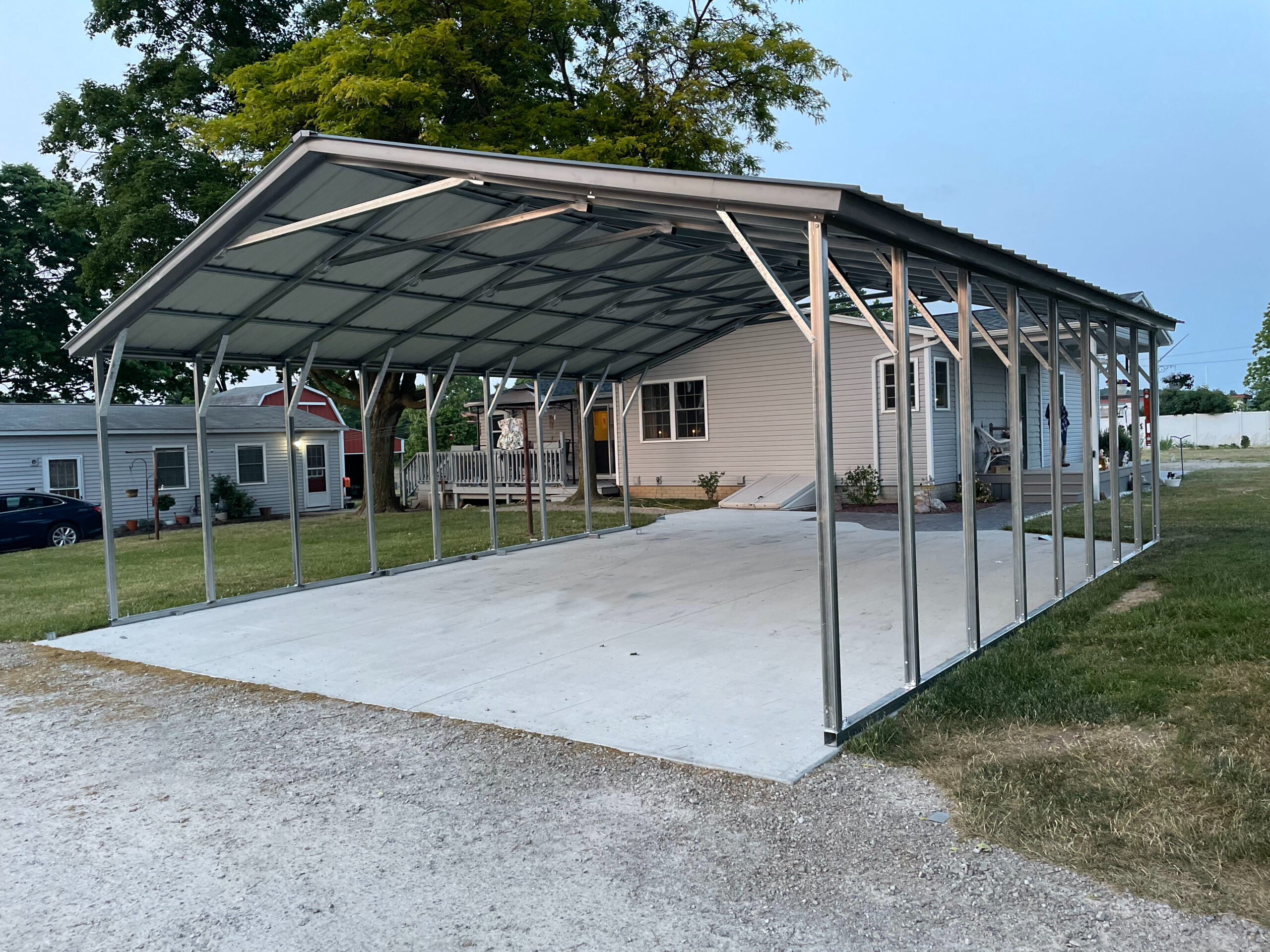
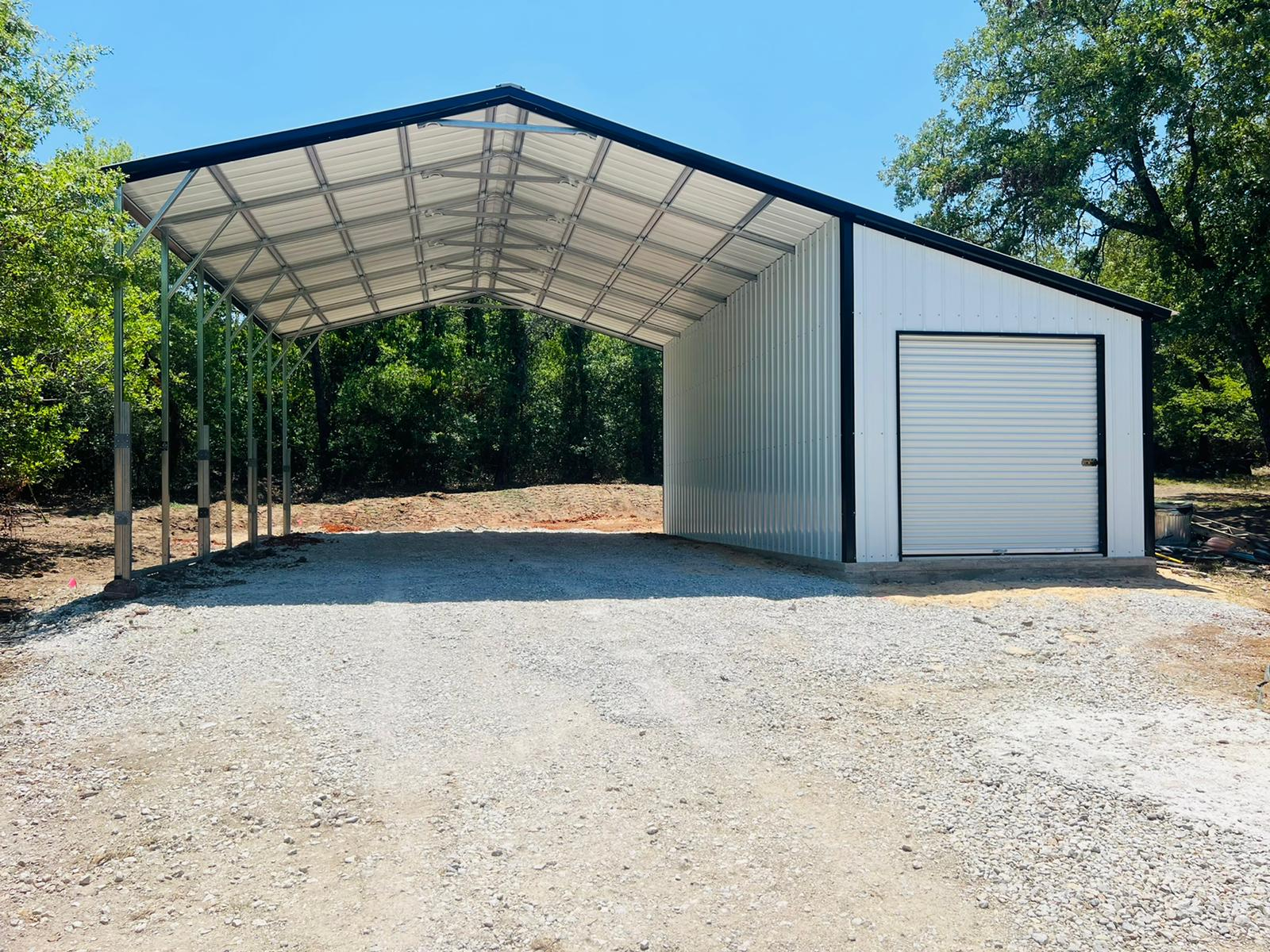
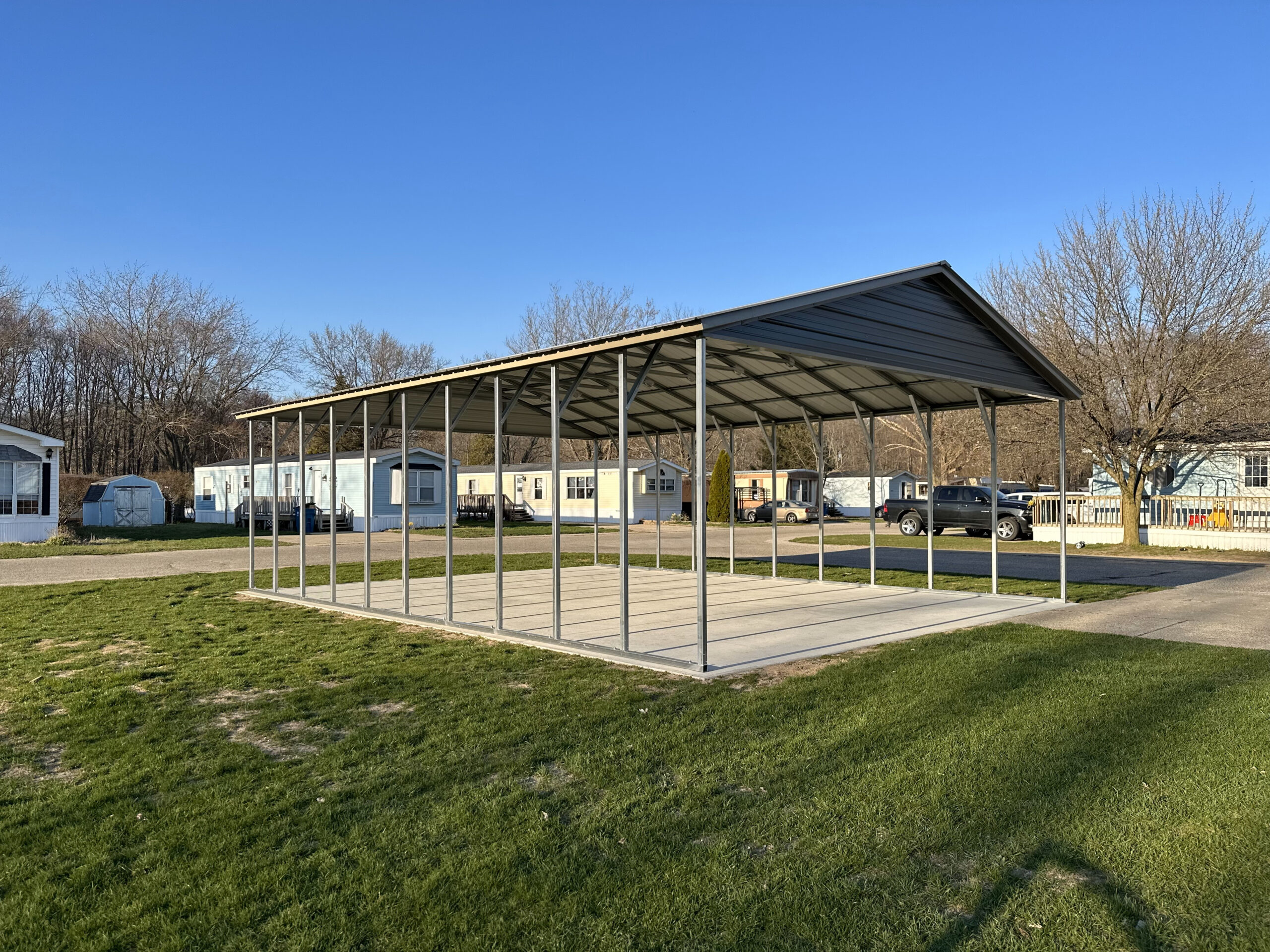
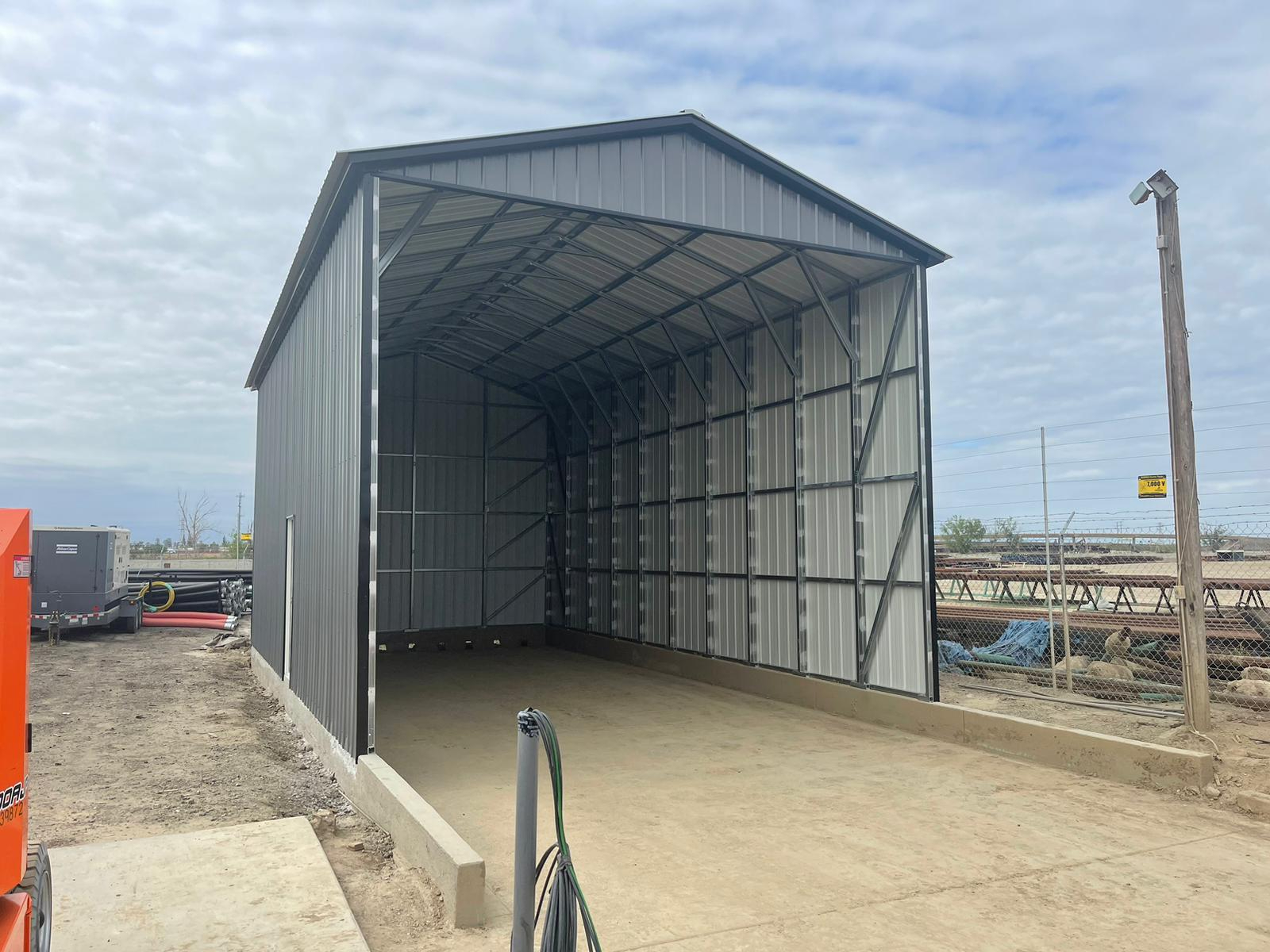
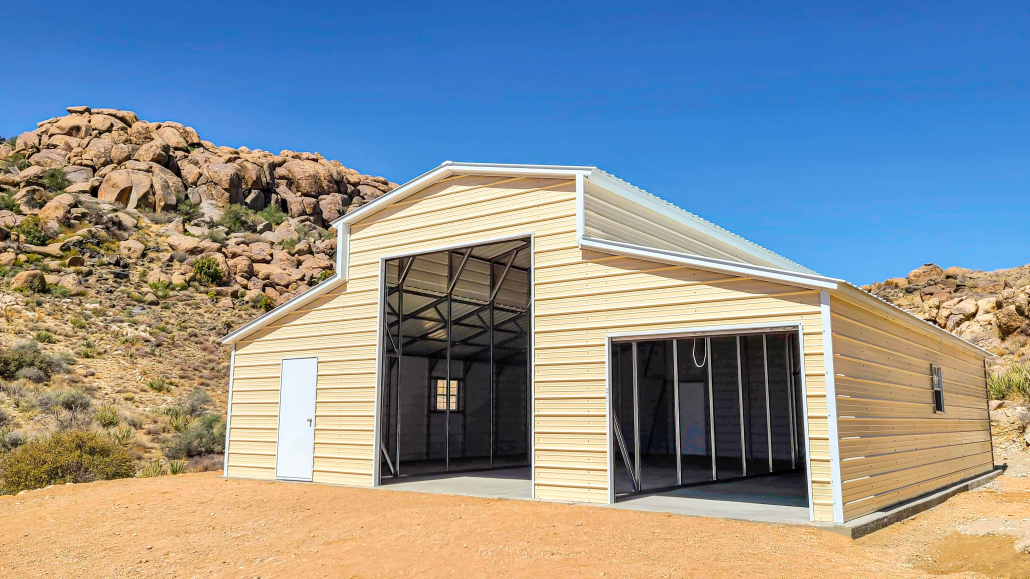
Our custom metal buildings can be configured with the ceiling heights, wall layouts, and door placements that make OSHA-compliant workflow genuinely practical.
What Are OSHA Designated Hot Work Area Requirements?
OSHA defines hot work as any operation that produces flames, sparks, or heat — welding, cutting, brazing, and grinding all qualify. For a private workshop, the foundational rule is simple: hot work should only happen in a designated zone specifically designed to contain those hazards.
According to OSHA 29 CFR 1910.252 and NFPA 51B, a compliant hot work area must:
- Be free of flammable and combustible materials, or have those materials shielded
- Have adequate ventilation to prevent toxic fume accumulation
- Display visible signage warning others that hot work is in progress
- Be equipped with accessible fire suppression equipment (extinguishers rated for the work being done)
- Have a fire watch present whenever hazards cannot be fully eliminated — that person must remain on-site during work and for at least 30 minutes after it ends
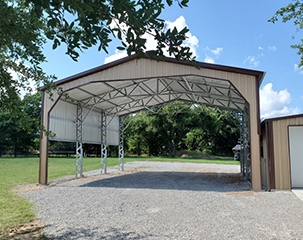
When building your workshop, plan your designated hot work zone away from stored fuel, paint, solvents, and any lumber. A clear span metal building gives you an open, column-free interior that makes it easy to zone these areas intentionally without structural obstacles getting in the way.
Do You Need a Hot Work Permit for Your Workshop?
For commercial or multi-employee shops, yes — hot work permits are required by OSHA whenever hot work is conducted in areas where fire hazards can’t be completely removed. OSHA doesn’t supply a standard permit form, but NFPA 51B does, and it covers the pre-work inspection checklist that should happen before every session.
For private owner-operator workshops where you’re the only person working, permit requirements vary by state and local jurisdiction. It’s always worth checking — and if you’re pulling a permit for your metal building, that’s a good moment to ask your local authority having jurisdiction (AHJ) about hot work permit requirements as well.
What Are the OSHA Welding PPE Requirements?
OSHA’s PPE requirements for welding fall under 29 CFR 1910 Subpart I, specifically sections 1910.132 through 1910.138. The core required items include:
- Welding helmets — ANSI-approved, with proper filter lens shade for the process being used (arc, MIG, TIG, etc.); helmets must protect the face, neck, and ears from direct radiant energy
- Flame-resistant gloves and clothing — cotton or treated wool is preferred; synthetic fabrics can melt and cause severe burns
- Steel-toed safety boots
- Respirators — required when working with metals containing lead, cadmium, mercury, or beryllium. For stainless steel welding, strict compliance with 29 CFR 1910.1026 is required to protect against hexavalent chromium [Cr(VI)], which has a specific Permissible Exposure Limit (PEL) of just $5 \mu g/m^3$.
- Eye protection for helpers and bystanders — anyone adjacent to the arc must have appropriate goggles or be shielded
PPE requirements scale with the hazard. MIG welding mild steel in a well-ventilated space has a different requirement profile than cutting galvanized steel indoors. Your workshop design should account for that range.
What Are the OSHA Welding Curtain Requirements?
This one surprises a lot of workshop owners. Under 29 CFR 1910.252(e)(2)(iii), OSHA requires that welders either work in a designated booth or be enclosed with noncombustible screens that protect bystanders from arc radiation. The keyword is noncombustible.
OSHA has specifically stated that standard transparent plastic (PVC) curtains cannot be used to enclose the welder’s booth, because no known treatment makes organic plastics fully noncombustible. However, a transparent welding curtain can be used as a barrier to protect bystanders — as long as it’s properly positioned and doesn’t form the welder’s enclosure.
Compliant welding curtains must:
- Be made from flame-retardant, UV-absorbing material (typically PVC with FR additives)
- Permit air circulation at floor level — curtains cannot seal the space completely
- Be opaque or tinted to block arc flash from reaching adjacent workers
- Be mounted on a stable frame that won’t shift during operations
When customizing your steel building for welding, it’s worth building permanent low-reflectivity painted walls (zinc oxide or lamp black finishes absorb UV rather than bouncing it) for the welder’s primary enclosure, and using curtains as flexible perimeter barriers for bystander protection.
What Do OSHA Welding Certification and Training Requirements Actually Cover?
OSHA doesn’t issue personal welding certifications — that’s the domain of the AWS (American Welding Society) and similar bodies. What OSHA does require, under 29 CFR 1910.252(d), is that employers provide workers with proper safety training before they operate welding equipment.
That training must cover:
- Safe fuel gas handling for cutting and brazing
- How hazards interact (fumes + confined spaces, for example)
- Proper PPE selection and fit
- Machine guarding for forming, cutting, grinding, and sawing equipment
- Emergency procedures, fire watch responsibilities, and extinguisher use
If you’re operating a commercial shop, document this training. OSHA inspectors will ask for it. If you’re a solo hobbyist, the same knowledge keeps you safe even without a compliance requirement attached to it.
How Your Workshop’s Physical Design Supports Compliance
The layout decisions you make at the build stage directly affect how easy it is to stay OSHA-compliant day-to-day. A few design choices that matter most:
- Ceiling height — higher ceilings allow fumes to rise away from the breathing zone; 14–16 ft. is a practical minimum for active welding shops
- Ventilation openings — plan ridge vents, sidewall louvers, or mechanical exhaust fans into your building spec from the start; retrofitting is expensive
- Concrete floor — non-combustible, easy to keep clear of flammable debris, and required for any serious hot work zone; see our metal workshop spring setup guide for layout ideas
- Separate storage room — keep compressed gas cylinders, flammables, and PPE storage physically separated from your active work zone
- Wide doors — at least one 10–12 ft. opening allows emergency egress and equipment movement without bottlenecks
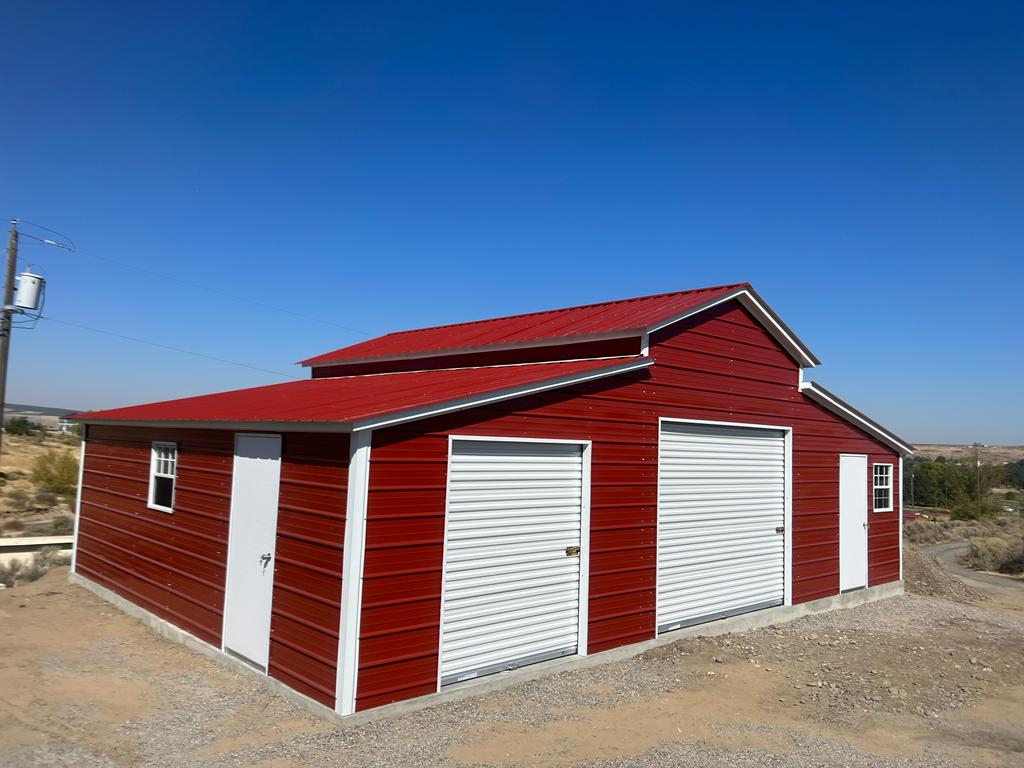
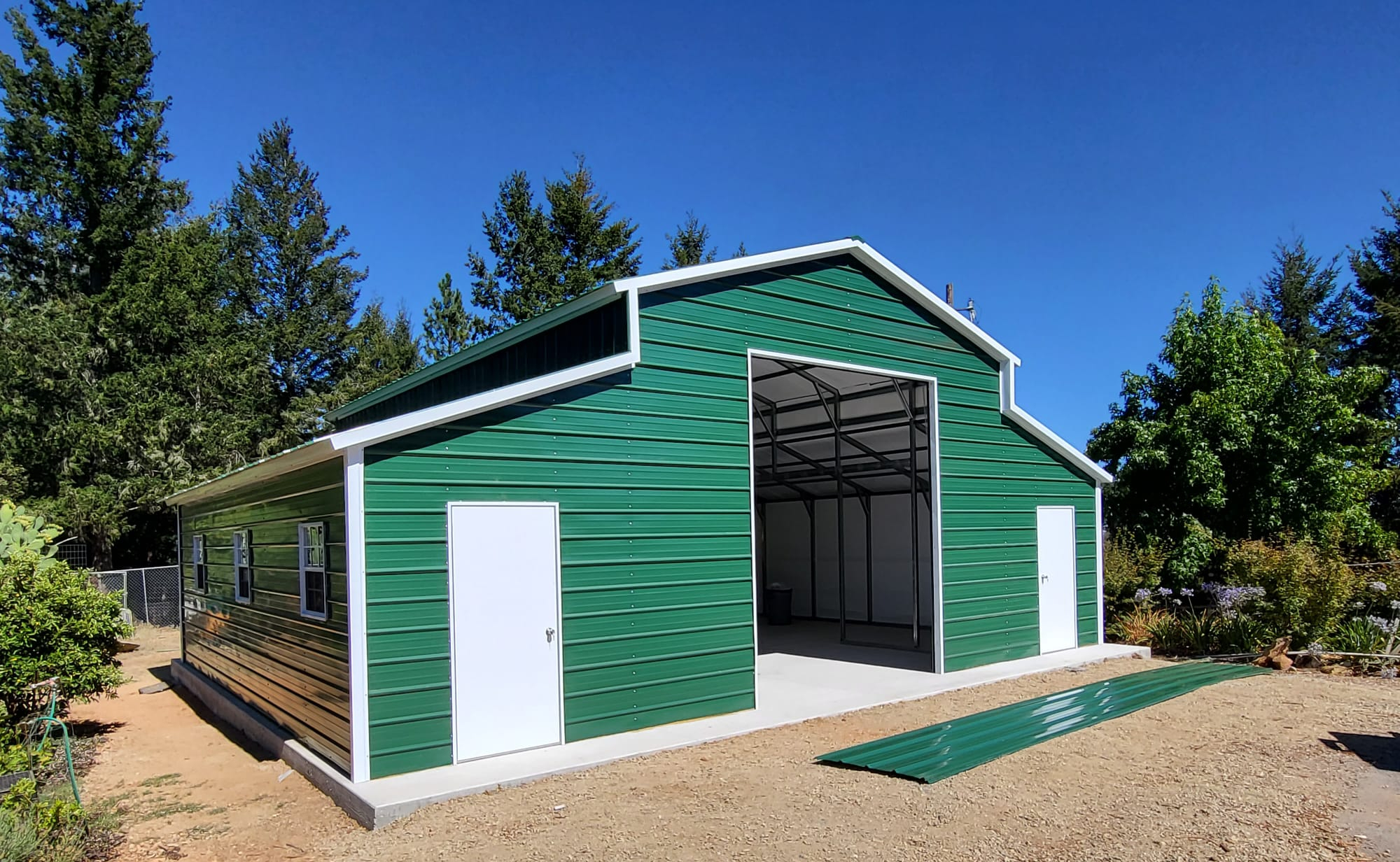
Our metal garages and custom workshop buildings can be spec’d with any combination of these features. The frame-up is the right moment to get them right.
Ready to Build a Workshop Designed for Safety?
If you’re serious about building a metal workshop that’s designed to meet OSHA safety standards — not just one that might pass inspection — start with a structure that gives you the right bones. American Steel Carports, Inc. builds fully customizable steel workshops with the clearances, layouts, and material specs that support compliant hot work operations.
Use our Build & Price tool to configure your workshop, or contact us to get a free estimate on a custom metal building built to your exact workflow and safety needs.
Frequently Asked Questions
Does OSHA require a hot work permit for a private home workshop?
For solo owner-operators, federal OSHA’s permit requirements under 29 CFR 1910.252 apply to employers with employees. However, your local fire marshal or AHJ may still require a permit depending on your state and municipality. Always verify locally before starting operations.
What type of welding curtain is OSHA-compliant?
OSHA requires noncombustible screens or curtains for the welder’s enclosure. For bystander protection, flame-retardant PVC welding curtains are acceptable if properly positioned and ventilated at floor level. They cannot fully enclose the welder’s booth.
What PPE is required for welding under OSHA?
At minimum: an ANSI-approved welding helmet with correct shade filter, flame-resistant gloves and clothing, steel-toed boots, and eye protection for any bystanders. Respirators are required when working with hazardous metals like stainless steel (governed by 29 CFR 1910.1026 for hexavalent chromium), galvanized, or lead-coated materials.
How far should flammables be from a designated hot work area?
OSHA and NFPA both generally recommend keeping combustibles at least 35 feet from hot work or shielding them with fire-resistant blankets or barriers when that distance isn’t possible.
Does the building material affect OSHA compliance for a workshop?
Yes, materially. Non-combustible construction — like steel — satisfies OSHA’s basic fire prevention precautions under 29 CFR 1910.252(a) more readily than wood-framed buildings, which require additional precautions to prevent spark ignition of structural elements.
What ceiling height is recommended for a compliant welding workshop?
While OSHA doesn’t specify a single ceiling height, ventilation requirements effectively push practical minimums to 14 ft. or higher for active welding operations. Higher ceilings allow fume dispersal and reduce atmospheric contamination in the breathing zone.